
How Parents Can Choose the Right Secondary School for Their Child
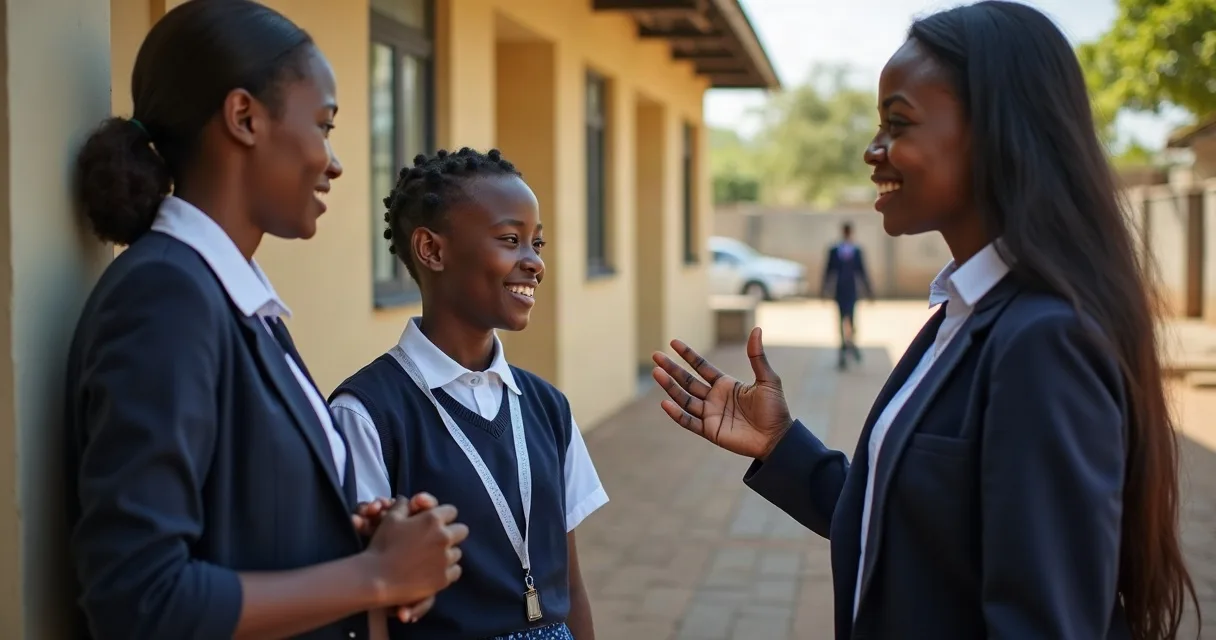
Before you pay admission fees, run seven checks: confirm the school is approved, look beyond headline WAEC results, compare the full cost with the quality of teaching, assess teachers and class sizes, put safety and welfare first, weigh distance and facilities, and match the school to your child. Ask for every answer in writing and visit the school before you commit.
Choosing the right secondary school is one of the most important decisions parents make about their children's education. Beyond school fees, attractive buildings and impressive academic results, the right school should provide a safe learning environment, qualified teachers, effective leadership and opportunities for students to develop the knowledge and skills they need for the future.
For parents in Lagos and other parts of Nigeria, the decision can be challenging because schools differ in their fees, facilities, teaching methods, discipline policies and academic performance. However, knowing what to look for can help parents make informed decisions rather than choosing a school solely because of its popularity or reputation.
Here are seven important factors parents should consider when choosing a secondary school for their child.
1. Check the School's Approval Status: Approved Private Schools in Lagos
Before considering a school's academic reputation or facilities, parents should confirm that it is approved by the relevant education authority.
In Lagos State, the Office of Education Quality Assurance (OEQA) provides a school verification platform where parents can check the approval status of schools. The state government has also continued to encourage private schools operating without approval to regularise their status.
On 7 October 2026, the Lagos State Government reiterated its directive to unapproved private schools to begin the registration process, stressing the importance of regulatory compliance, safety and quality assurance. Source: Lagos State Government.
Parents should therefore verify a school's status before paying admission fees. They should also ask about the school's registration details, inspection history and compliance with applicable education standards.
Parents in Lagos can also browse secondary schools in Lagos on SchoolRegistry to see school profiles before they book a visit.

2. Look Beyond WAEC Results and Academic Rankings
Academic performance is an important consideration when choosing a secondary school, particularly for parents whose children are preparing for the West African Senior School Certificate Examination (WASSCE), the National Examinations Council (NECO) examinations and university admission.
However, a school's advertised examination results should not be the only measure of its quality.
Parents should ask for verifiable results covering several years rather than relying on a single impressive performance. They should also find out how many students sat the examinations, how many obtained the required credits and whether the results reflect the performance of the entire graduating class.
It is equally important to understand how the school supports students who struggle academically. Regular assessments, extra lessons, feedback to parents and individual academic support can make a significant difference.
A school that helps students improve consistently may offer more value than one that focuses primarily on its highest-performing candidates.
3. Compare Secondary School Fees With the Quality of Education
School fees remain a major consideration for many Nigerian families, particularly in urban centres such as Lagos, where household expenses can be substantial.
Parents should request a comprehensive breakdown of school fees before accepting an admission offer. The breakdown should cover tuition, registration, uniforms, textbooks, transport, examination charges, technology fees, extracurricular activities and other compulsory expenses.
A school fees calculator can help parents add these costs together before they compare schools.
For boarding schools, families should also ask about accommodation, meals, medical care and other boarding-related charges.
The objective is not necessarily to choose the cheapest school or the most expensive one. Instead, parents should compare the total cost with the quality of teaching, facilities, student support and learning opportunities provided.
They should also establish whether fees are reviewed annually and whether instalment payments are available. A school that appears affordable initially may become financially difficult to sustain if additional charges are not disclosed.
4. Assess Teachers, Class Sizes and Teaching Methods
Teachers play a central role in students' academic progress and personal development. Parents should therefore investigate the qualifications, experience and professional development opportunities available to teachers.
During a school visit, ask about the average class size, teacher turnover, lesson supervision and how teachers identify students who need additional assistance.
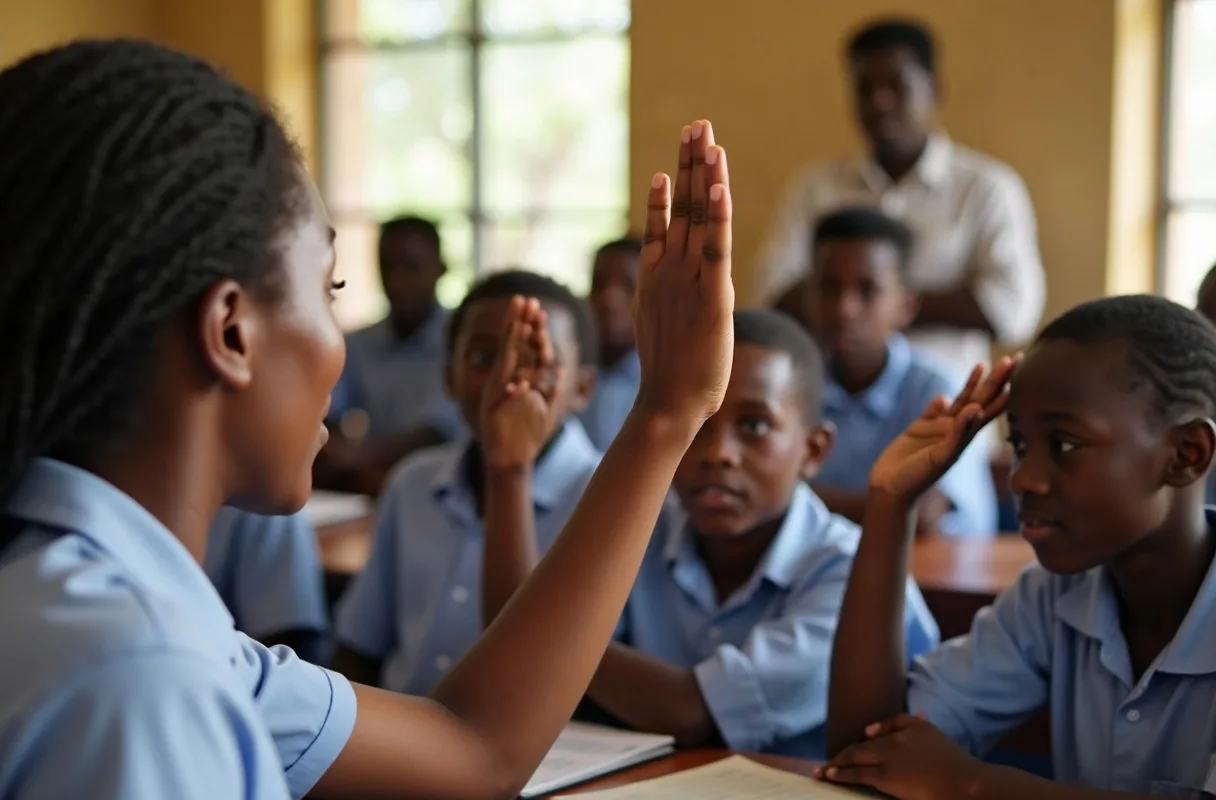
It is also worth observing whether teaching encourages students to ask questions, solve problems, conduct research and participate in classroom discussions.
Nigeria's revised senior secondary curriculum, published through the Nigerian Educational Research and Development Council (NERDC), provides an important reference point for understanding the subjects and learning requirements schools are expected to deliver. Source: NERDC.
Parents should establish whether a school has the teachers, learning materials and facilities needed to implement its curriculum effectively.
5. Prioritise School Safety, Discipline and Student Welfare
A good secondary school must protect students from bullying, abuse, harassment and other forms of violence.
Parents should ask about the school's safeguarding policy, visitor management, emergency procedures, supervision during breaks and arrangements for reporting complaints.
They should also find out how the school handles bullying, misconduct and disciplinary cases. A strict school is not necessarily an effective one if discipline depends on humiliation, intimidation or corporal punishment.
Nigeria's Federal Ministry of Education has published a National Policy on Safety, Security and Violence-Free Schools, which provides a framework for protecting learners and creating safer learning environments. Source: Federal Ministry of Education.
Parents should also consider students' emotional well-being, access to counselling, healthcare arrangements and the school's approach to supporting children with additional learning needs.
6. Consider Location, Facilities and Extracurricular Activities
The distance between home and school can affect a child's daily routine, sleep, concentration and time available for homework.
Parents should assess transport arrangements, traffic conditions, punctuality requirements and the time their child will spend commuting. For boarding schools, they should inspect accommodation, sanitation, food services, medical facilities and supervision.
School facilities also matter. Functional science laboratories, libraries, computer facilities, reliable learning resources and adequate classrooms can support effective teaching.
However, parents should distinguish between facilities that genuinely improve learning and those that serve mainly as marketing attractions.
Extracurricular activities are equally important. Debate clubs, sports, music, creative writing, science clubs and public speaking can help students build confidence, teamwork, leadership and communication skills.

7. Match the School to Your Child's Needs and Future Goals
Every child is different. Some students thrive in highly structured academic environments, while others benefit from smaller classes, practical learning, additional academic support or opportunities to develop particular talents.
Parents should consider their child's interests, learning style, strengths and areas requiring improvement.
They should also examine whether the school offers appropriate subject combinations and guidance for future education or career choices.
For children with disabilities or specific learning needs, it is important to establish whether the school can provide suitable facilities, reasonable adjustments and qualified support.
Before making a final decision, visit the school, speak with its management, ask current parents about their experiences and, where possible, observe a normal school day.
Choosing a Secondary School in Nigeria: Making an Informed Decision
Choosing the right secondary school requires careful research, realistic budgeting and a clear understanding of a child's needs. Parents should compare schools using consistent criteria rather than relying entirely on advertisements, social media reviews or recommendations from friends.
Parents can compare schools side by side on SchoolRegistry once they have a shortlist.
Ultimately, the best secondary school is not necessarily the most expensive or prestigious. It is the school that combines effective teaching, safety, responsible leadership, appropriate facilities and meaningful support for students' development.
By asking the right questions before admission, parents can make better educational decisions and give their children a stronger foundation for academic achievement, personal growth and future opportunities.
Frequently Asked Questions
How do I check if a secondary school in Lagos is approved?
In Lagos State, the Office of Education Quality Assurance (OEQA) provides a school verification platform where parents can check a school's approval status. Also ask the school for its registration details and inspection history.
Should I choose a school based on its WAEC results?
Not on advertised results alone. Ask for verifiable results over several years, how many students sat the examination and how many obtained the required credits.
Which fees should I ask about before accepting an admission offer?
Ask for a full breakdown covering tuition, registration, uniforms, textbooks, transport, examination charges, technology fees and other compulsory costs. For boarding, also ask about accommodation, meals and medical care, and whether fees are reviewed each year and paid in instalments.
What should I ask about teachers?
Ask about their qualifications, experience and professional development, the average class size, teacher turnover and how teachers identify students who need extra help.
What safety questions should I ask?
Ask about the safeguarding policy, visitor management, emergency procedures, supervision during breaks, how complaints are reported and how bullying and misconduct are handled.